The Headline That Grabbed Attention
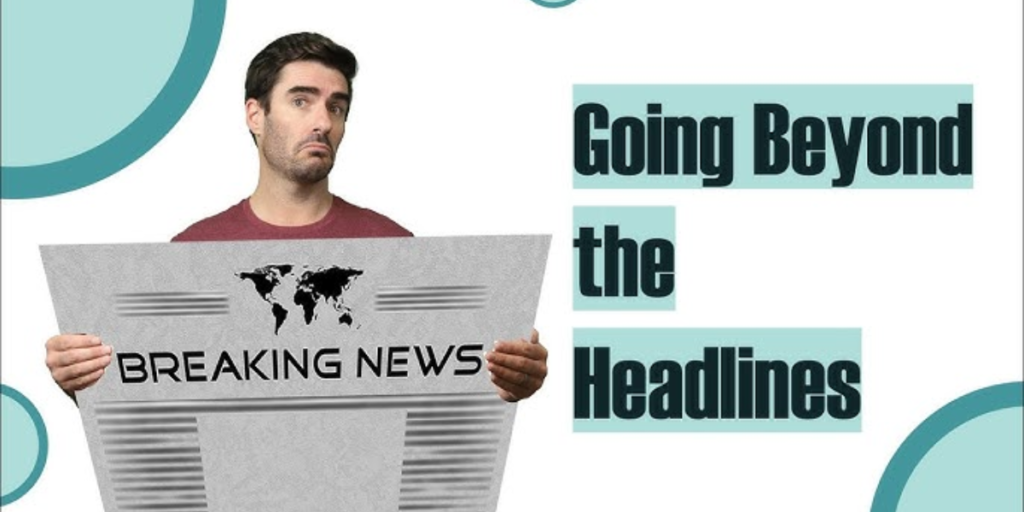
When the decision first broke, it spread quickly through news alerts, social media posts, and short summaries. Most people encountered it in the form of a single headline or a brief paragraph designed to capture attention fast. In that moment, reactions were immediate. Some felt relief, others frustration, and many confusion.
Breaking news focuses on speed, not depth. While it tells people what happened, it rarely explains why it happened or what comes next. To truly understand this decision, it’s important to slow down and look beyond the initial reports.
Understanding the Context Behind the Decision
No major decision happens in isolation. It is usually the result of weeks, months, or even years of discussion, pressure, and negotiation. When viewed in this broader context, the decision starts to make more sense.
There were underlying issues building long before the announcement. Past actions, public responses, and shifting priorities all played a role. Without this background, the decision can seem sudden or confusing, even though it was carefully shaped over time.
Who Is Directly Affected
At first glance, the impact may appear limited to a specific group. However, once examined more closely, it becomes clear that the effects reach much further. Different groups experience the decision in different ways, depending on their position, expectations, and responsibilities.
For some, the decision brings clarity and direction. For others, it introduces uncertainty or forces adjustment. Understanding these varied perspectives helps explain why reactions have been so mixed.
Short-Term Impact Versus Long-Term Change
In the short term, the focus is often on immediate consequences. What will change today or this week? How will people respond right now? These questions dominate early discussions.
Long-term effects, however, are often more significant. Over time, this decision could influence future policies, shape behavior, or set a precedent for similar actions. These longer-term implications rarely receive attention in the initial wave of coverage but often matter the most.
Why Reactions Are So Divided
One reason reactions differ so strongly is that people interpret the decision through personal experience. Some view it as progress, while others see it as a setback. Both responses can be valid, depending on perspective.
Public debate is also shaped by how information spreads online. Short clips, selective quotes, and emotional commentary can amplify certain viewpoints while oversimplifying others. This makes balanced understanding harder to achieve.
What the Decision Signals Going Forward
Beyond its immediate impact, the decision sends a message about priorities and direction. It indicates what issues are being emphasized and which concerns may be taking a back seat. Observers often pay close attention to these signals, as they hint at what might come next.
In many cases, the decision is less about a single outcome and more about setting the tone for future actions. Recognizing this helps explain why analysts and experts focus heavily on interpretation rather than just facts.
The Role of Public Response
Public reaction doesn’t end once the decision is announced. Feedback, criticism, and support all influence how the decision is implemented. In some cases, strong responses lead to revisions, clarifications, or additional measures.
This ongoing interaction between decision-makers and the public means the story continues long after the breaking news phase. The outcome is shaped not only by the decision itself, but by how people respond to it.
Why Looking Deeper Matters
Surface-level understanding can be misleading. When people rely only on headlines, they may miss key details that change how the decision should be interpreted. Looking deeper provides clarity and reduces unnecessary confusion or fear.
It also encourages more thoughtful discussion. Instead of reacting emotionally, people can engage with the reasoning, consequences, and trade-offs involved.
A Bigger Picture Emerges
Once the noise of breaking news fades, a clearer picture begins to form. Patterns become visible, motivations make sense, and the decision finds its place within a larger narrative.
Understanding what the decision actually means requires patience and perspective. By looking beyond the headlines, it becomes possible to see not just what happened, but how it fits into a broader story that will continue unfolding in the days and months ahead.