Why the Initial Reaction Felt Overwhelming
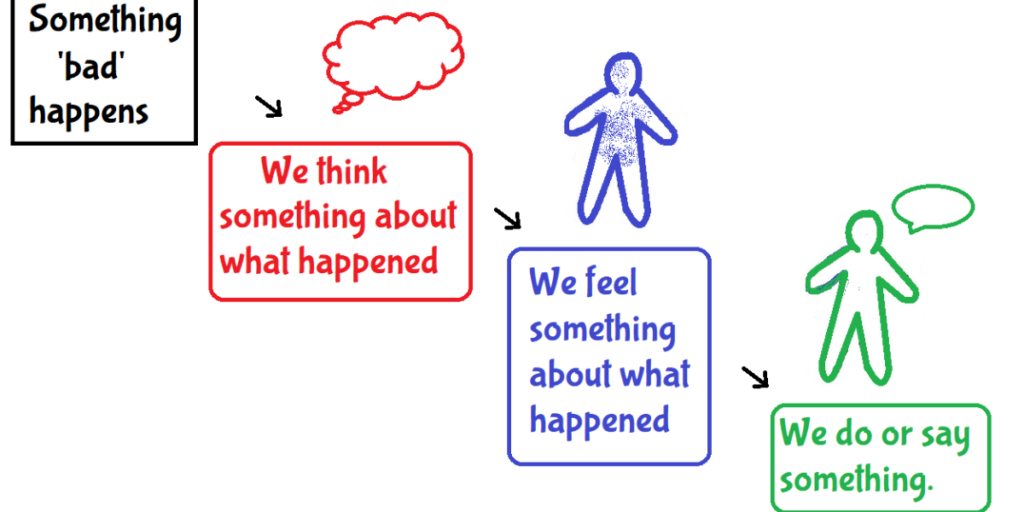
When the story first surfaced, the reaction was immediate and intense. Social media feeds filled with strong opinions, emotional responses, and heated debates. To many observers, the level of reaction seemed disproportionate to the information presented in the headlines. But that intensity didn’t come out of nowhere.
Strong reactions are rarely caused by a single event alone. They are usually the result of deeper context that isn’t visible at first glance. In this case, the story touched on unresolved issues, past experiences, and long-standing frustrations that had been building quietly over time.
What the Headlines Didn’t Fully Explain
Breaking headlines tend to focus on the most immediate detail: what happened and when. What they often leave out is the background that gives meaning to the event. Without that background, the story can appear sudden or confusing.
The missing context includes earlier developments, previous decisions, and patterns that shaped expectations. When people encountered the news, many connected it to what they already knew or felt, filling in the gaps with their own experiences.
A History That Shapes Interpretation
One reason reactions were so strong is the history surrounding the issue. Similar situations in the past influenced how people interpreted this story. For some, it confirmed long-held concerns. For others, it reopened debates they believed were already settled.
This history doesn’t always make it into short news updates, but it lives in public memory. When the new development appeared, it activated those memories instantly, intensifying emotional responses.
Different Groups, Different Stakes
Reactions also varied depending on who was affected. While some people viewed the story from a distance, others felt personally impacted. Those closer to the issue reacted more strongly because the consequences felt real and immediate.
For one group, the story represented progress or validation. For another, it symbolized loss, risk, or unfairness. These opposing interpretations made the conversation louder and more polarized.
How Online Spaces Amplified Emotion
Social media played a major role in magnifying reactions. Platforms are designed to reward emotional content, especially posts that provoke agreement or outrage. As a result, the most intense responses gained the most visibility.
Short posts and clips stripped away nuance, presenting the story in simplified terms. This made it easier for emotions to spread faster than explanations, reinforcing strong reactions before full understanding could develop.
The Role of Timing
Timing also contributed to the intensity. The story emerged during a period when people were already sensitive to related issues. Emotional readiness matters. When audiences are already alert or frustrated, even a small trigger can lead to a powerful response.
Had the same story appeared in a different moment, reactions might have been calmer. Context is not just about history, but also about timing.
Why Clarifications Came Too Late
As more details emerged, some confusion was resolved. However, by then, opinions had already formed. First impressions are powerful, especially online, and clarifications rarely travel as far as initial reactions.
This gap between reaction and explanation allowed emotions to settle into fixed positions. Even accurate updates struggled to soften views that were shaped early on.
What This Reveals About Public Discourse
The strength of the reaction highlights a broader challenge in modern information flow. People are responding not just to events, but to what those events represent emotionally. Stories become symbols, carrying meaning beyond their factual details.
Understanding this helps explain why reactions feel so intense and why discussions often turn emotional so quickly.
Looking Beyond the Surface
To truly understand the story, it’s necessary to step back from immediate reactions and examine the hidden context. That includes history, timing, personal impact, and how information spreads online.
When viewed through this wider lens, the strong reactions begin to make sense. They are not just responses to what happened, but to everything that came before it and what people fear or hope may come next.
A Story That Goes Deeper Than It Seems
What appears on the surface as a single news event is, in reality, part of a much larger narrative. The hidden context explains not only why reactions are strong, but why the conversation continues.
Looking beyond the headlines doesn’t reduce the importance of the story. It deepens understanding, allowing for more thoughtful discussion and a clearer view of what’s really driving public response.